A Step-by-Step Practice for Inner Child and Wounds
You’ve done the inner work. You know enough about childhood wounds to trace most of your patterns back to early experiences. You understand the…
Long-form essays, short field notes, technique deep-dives, and answers to the same handful of questions we keep getting asked. Searchable. Sorted by pillar. Free, always.
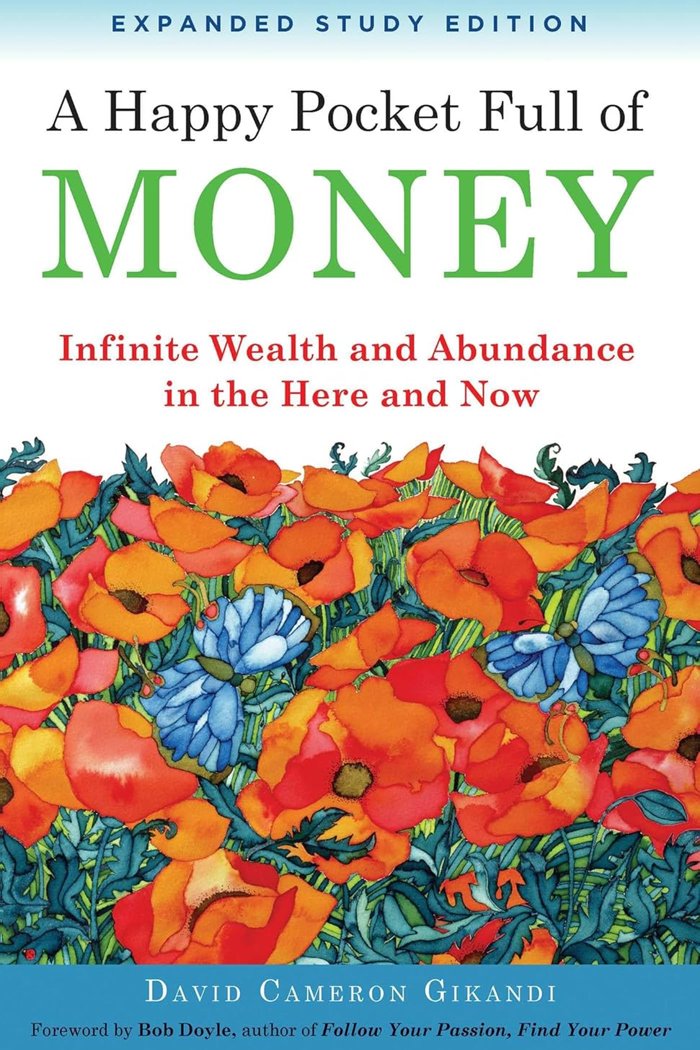
David’s flagship book, free to listen — one chapter at a time. A short written overview plus forty-five audio essays on money, consciousness, and the inner architecture wealth needs to land on.
You’ve done the inner work. You know enough about childhood wounds to trace most of your patterns back to early experiences. You understand the…
You’ve done the work. The retreats, the therapy, the journaling. You’ve built enough self-awareness to understand the mechanics of your own patterns. And something…
You’ve done the inner work. You know the language. You understand that childhood experiences shape adult patterns. You’ve done enough work that this isn’t…
You’ve done the work. Years of it. Books, courses, coaching, retreats. You know the language of inner child work. You understand attachment, wounding, nervous…
You’ve done the work. The books, the courses, the certifications. You understand more about psychology and healing and consciousness than most people will ever…
You’ve invested years in understanding yourself. You know about attachment styles, nervous system regulation, cognitive reframing. You’ve filled journals and built morning routines. You’ve…
You’ve invested deeply in understanding yourself. You’ve read the books, sat with the teachers, done the retreats. And somewhere along the way, someone mentioned…
You’ve heard the term. You’ve probably nodded along when someone mentioned it in a webinar, a workshop, or a book. Inner child work. Inner…
You’ve done the reading. You’ve sat in the workshops. You’ve cried in the journaling sessions and done the breathwork and maybe even booked sessions…
Trust in a practitioner-client relationship is often discussed as something built over the course of the engagement — through the quality of the practitioner’s…
“Attracting the right clients” is a phrase that gets used frequently in practitioner marketing — but “right” often means different things. It can mean…
A practitioner can believe they have communicated clearly and still have the listener come away with a fundamentally different understanding of what the work…